Restorative Dentistry in Chișinău: Tooth Treatment at Cristi Dent
Restorative dentistry covers the diagnosis, treatment and rebuilding of teeth affected by cavities, pulpitis (inflammation of the nerve), root canal infection and other diseases of the hard tissues and pulp.
Conservative dentistry helps you keep your own teeth, remove the source of inflammation and restore the shape and function of the tooth.
We assess the condition of the tooth, determine how deep the damage goes and choose the scope of treatment needed, from a small filling to root canal therapy and a final restoration.
What is restorative dentistry
Restorative dentistry is the branch of dentistry that preserves and treats your own teeth without surgical removal. This is also what conservative dentistry means in practice.
The main tasks of the dentist are to find the disease, remove the damaged tissue, stop the inflammation and rebuild the structure of the tooth.
Restorative dentistry includes treatment of cavities, pulpitis and root canals, root canal retreatment, and aesthetic restoration of damaged teeth.
Restorative services at Cristi Dent


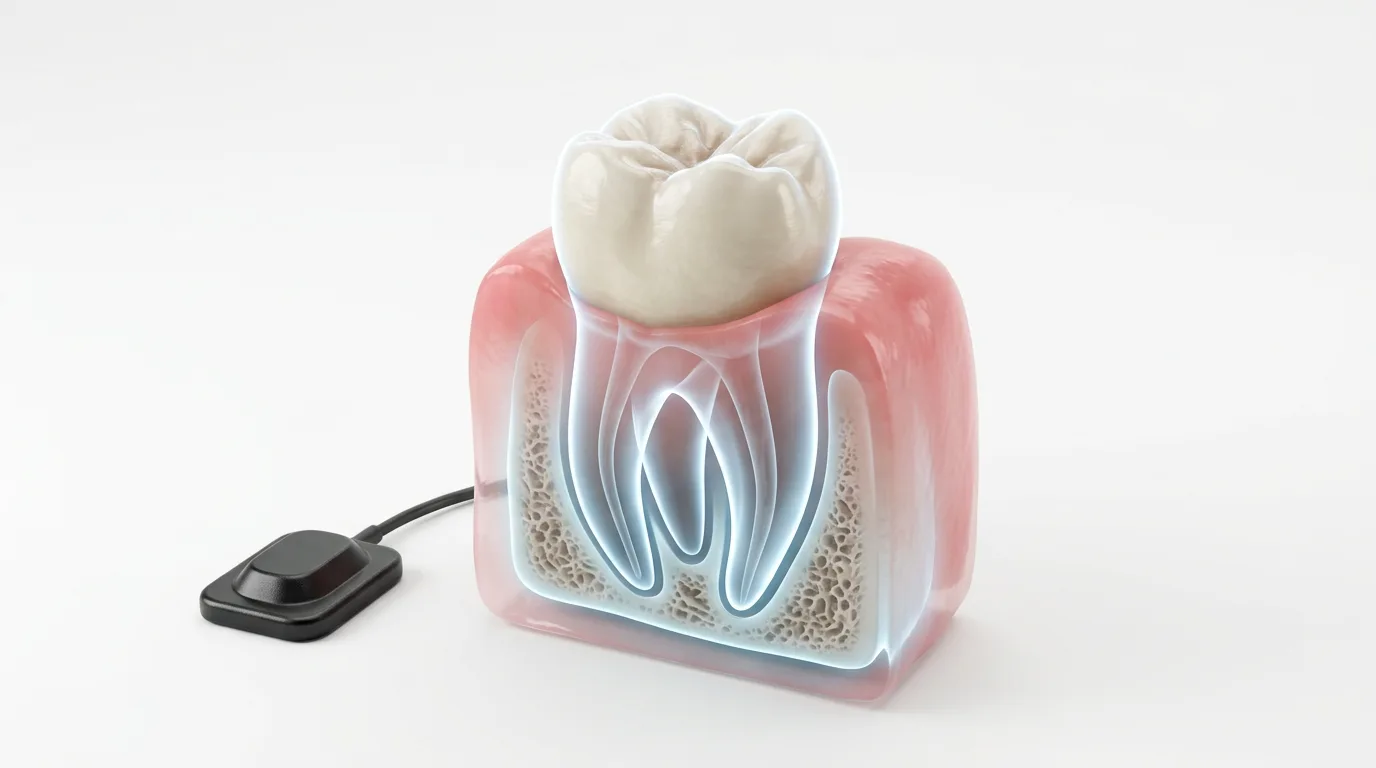
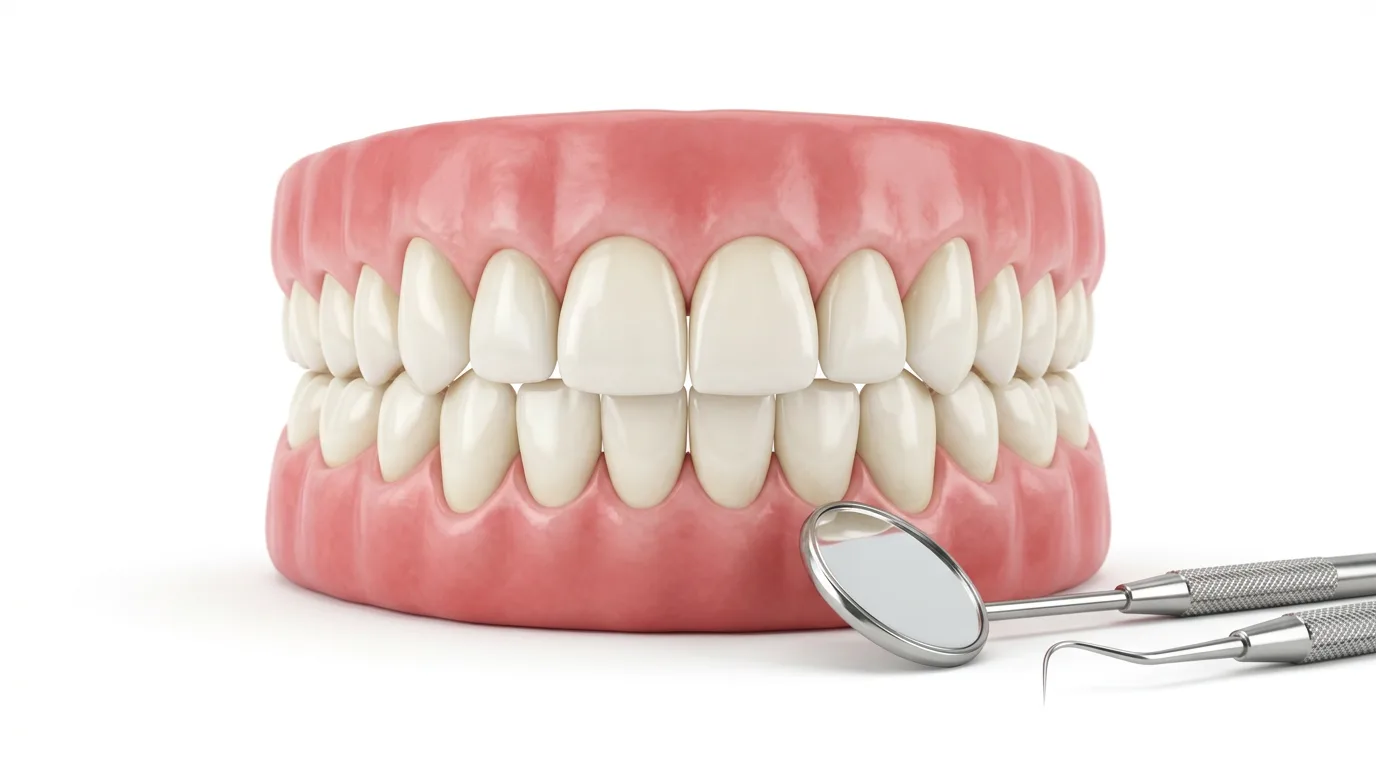
Stages of cavity treatment
Diagnosis and X-ray
We check how deep the damage goes and look for hidden decay between the teeth. If needed, we take a periapical X-ray.
Removing the damaged tissue under magnification
We carefully remove only the decayed areas. We work under magnification to save as much healthy tissue as possible.
Rebuilding the tooth in layers with composite
We restore the anatomical shape of the tooth layer by layer. The colour and translucency are matched to your tooth.
Polishing and bite check
We polish the surface until it is smooth and naturally glossy, and adjust the bite. The tooth looks natural and does not get in the way when you chew.
Why cavity treatment should not be put off

- A cavity deepens quickly. The damage reaches the deep layers and the tooth becomes weaker.
- Severe pain and pulpitis appear. The nerve becomes inflamed and the canals have to be treated, which costs more and takes longer.
- The walls of the tooth break down. The tooth crumbles, cracks appear and the filling stops holding.
- The cost of treatment rises. Instead of a standard filling, you need root canal treatment and a crown.
- The risk of swelling and infection grows. The infection can spread to the gums or cheek, or cause an abscess.
Advantages of treatment at Cristi Dent
Treatment under a microscope
We see even the smallest damage, clean the canals precisely and save as much healthy tissue as possible.
Doctors with
10-20 years of experience
Our restorative dentists and endodontists work with cavities, canals and restorations every day.
Painless anaesthesia
We choose the drug to suit your sensitivity, and the injection is given slowly, so most patients do not feel it.
European equipment
Modern handpieces and optics make treatment gentler and cause less discomfort.
Treatment warranty
We give an official warranty on fillings, restorations and root canal treatment, and the doctor explains the period and conditions straight away.
Every step explained
We show you what is visible on the images and explain what exactly we are treating and why, so there are no surprises along the way.
Doctors who provide restorative treatment

Restorative dentistry questions
Don't put off your dental health


