updated
November 13, 2026
...
read
Toothache: What to Do Before You See a Dentist

You can usually calm tooth pain until your appointment: brush gently, rinse with warm salt water, take a painkiller as the label says and keep heat off your cheek. If the pain lasts more than 2 days, does not settle with painkillers or comes with swelling and a fever, see a dentist the same day.
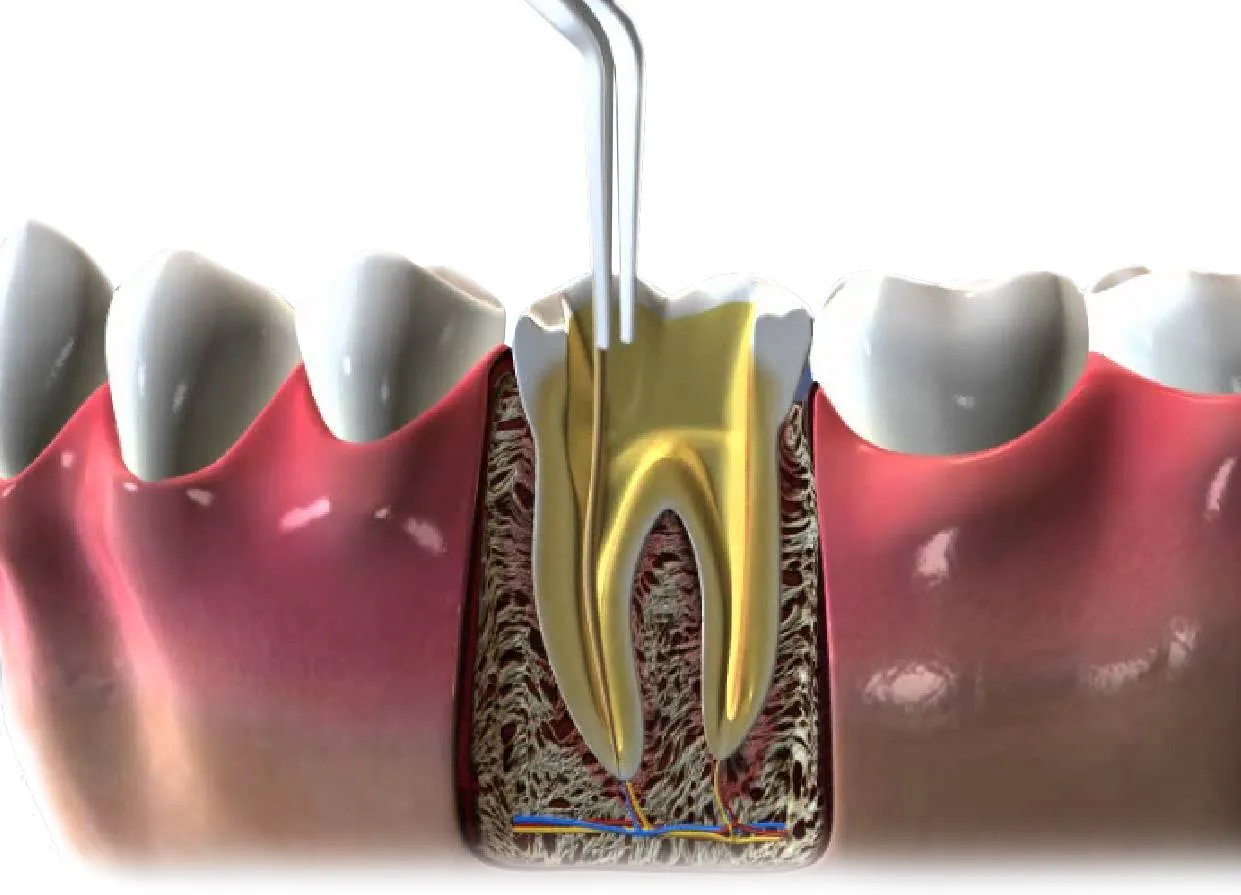
Your tooth starts throbbing on a Friday night, on holiday or the day before a flight, and the earliest dental appointment is a day or two away. It happens to almost everyone. The good news: you can nearly always take the edge off the pain with simple, safe steps. The catch: nothing you do at home treats the cause. An inflamed tooth does not heal by itself. It calms down for a while or moves to the next stage.
So your goal for the next few hours is simple. Bring the pain down, avoid making things worse and know when waiting is no longer an option. Most toothaches can wait until morning or the next working day. Swelling, a fever or pain that painkillers barely touch cannot.
How to stop toothache getting worse right now
Start with the basics. Pain is often kept going by trapped food, a cold drink or chewing on the sore side. While you wait for an appointment, the NHS suggests a few steps:
- Brush gently with a soft toothbrush and rinse with warm water to clear any food. Skip flossing around the sore tooth for now.
- Take a painkiller you already have at home, exactly as the label says. Not sure which one suits you? Ask a pharmacist.
- Eat soft food at room temperature and chew on the other side.
- Avoid sweet, very hot and very cold food and drinks. Put off smoking too. The NHS says it can make some dental problems worse.
- Use an extra pillow at night. Many people find throbbing pain feels stronger when they lie flat.
A painkiller buys you time. It does not replace treatment. If each tablet works less well and the gaps between flare-ups get shorter, the inflammation is spreading. That is your cue to call a dentist, not to take more tablets.
Best pain relief for toothache: what to ask the pharmacist
Standard over-the-counter painkillers are what most people use for tooth pain. The right choice for you depends on your age, any long-term conditions, other medicines you take and pregnancy. Keep the question simple: which painkiller is safe for me, with my health and my medicines? Never go over the dose on the label and do not mix products on your own. Antibiotics are a different story. Only a doctor or dentist can prescribe them.
Home remedies for toothache that actually help
The simplest and safest option is a warm salt-water rinse. The NHS recommends dissolving half a teaspoon of salt in a glass of warm water, rinsing your mouth and spitting it out without swallowing. You can repeat it as often as you like. Salt eases gum swelling a little and cleans the area around the tooth, and warm water will not trigger a new jolt of pain the way ice-cold water does.
One rule applies to any rinse. Keep it warm, never hot. Hot liquid sends more blood to the inflamed area and the pain comes back harder after a brief moment of relief.
What not to do
Some old tips get passed down for generations even though they do more harm than good. Never press a tablet or a clove of garlic against your gum. It can cause a chemical burn on the soft tissue, and the pain inside the tooth stays exactly the same. Rinsing with spirits irritates your gums too and numbs nothing.
A hot water bottle or a warm compress on your cheek is risky if you suspect a pus-filled infection. Heat increases blood flow and can make the infection worse. If your cheek is already swollen, use only a cool compress wrapped in a cloth, for short spells. One more thing. Do not try to pop a lump on your gum or pick at a hole in your tooth with a needle. That is a quick way to spread infection.
At night and at weekends: getting through a flare-up
Tooth pain often feels worse at night, and tiredness is only part of it. During the day you are busy. In a quiet room you feel every throb. Prepare in the evening: brush, rinse with salt water, take a painkiller as the label says and sleep with your head raised.
Wondering what helps toothache that wakes you up at 3am? Rinse again with warm water and think about what set it off. A short twinge after a cold drink that fades fast can usually wait for a routine appointment. Constant, building, throbbing pain that a tablet barely touches cannot wait until Monday. Call a clinic first thing in the morning. If you also have swelling or a temperature, follow the urgent care advice below.
Why your tooth hurts: common causes
According to the MSD Manual, the most common cause is tooth decay and what follows it: inflammation of the pulp (the nerve inside the tooth) and an abscess at the root. Injuries and an erupting wisdom tooth are also on the list. The way a tooth hurts tells the dentist a lot. Notice when and how the pain shows up.
| Cause | What the pain is usually like | What the dentist does |
|---|---|---|
| Tooth decay | Short pain with sweet, cold or hot food that stops as soon as the trigger is gone | Treats the decay and places a filling |
| Pulpitis (inflamed nerve) | Pain lasts a minute or longer after hot or cold, can start on its own, often at night | Root canal treatment |
| Periodontitis, abscess | The tooth feels raised, hurts when you chew or touch it, the gum or cheek may swell | Root canal treatment, draining the abscess, extraction in severe cases |
| Crack or chip | Sharp pain when you bite down or release your bite | Restoration, crown or root canal treatment |
| Pericoronitis around a wisdom tooth | Dull ache at the back of the jaw, pain when you swallow or open wide | Cleaning the gum flap or removing the tooth |
If your tooth hurts when you press on it but barely reacts to cold, the inflammation has often moved beyond the nerve into the tissue around the root. This is not pain to sit on for a week. You need an X-ray, and in most cases root canal treatment can save the tooth.
When the pain suddenly stops
Plenty of people cancel their appointment with relief once the pain fades. Yet the MSD Manual describes exactly this pattern. Inflamed pulp often dies, and the pain goes away for a while, anywhere from a few hours to a few weeks. Then it comes back, this time from inflammation around the root or an abscess. A quiet tooth after severe pain does not mean it has healed.
Wisdom tooth pain
Wisdom teeth often come through only partly and leave a flap of gum where bacteria build up. The result is a dull ache at the very back of the jaw, a bad taste and trouble opening your mouth. The same home care helps: warm salt-water rinses, careful but gentle brushing and chewing on the other side. If the pain keeps coming back, a dentist will check the tooth's position on an X-ray and tell you whether it can stay or whether wisdom tooth extraction is the safer choice.
Pain after a filling
Mild sensitivity to cold for a few days after a deep filling is common and usually settles on its own. Pain that gets stronger instead of weaker, starts for no reason or keeps you awake is a different matter. It can happen when the nerve was already inflamed before treatment. Another common cause is simple: the filling sits slightly higher than the teeth next to it and the tooth takes extra pressure every time you bite. A dentist fixes that in minutes. No need to put up with it.
When to see a dentist urgently
The NHS advises seeing a dentist if your pain lasts more than 2 days or does not go away with painkillers. The same goes for pain that comes with a high temperature, pain when you bite, red gums or a bad taste in your mouth. Some situations cannot wait even an hour. Use this table as a quick guide.
| What is happening | How urgent |
|---|---|
| Pain only with cold or sweet things, fades quickly | Routine appointment within a few days |
| Pain for more than 2 days, painkillers barely help, it hurts to bite | Next working day |
| Swollen gum or cheek, a temperature, a bad taste | Same day |
| Swelling spreads towards your eye or down your neck, trouble swallowing, breathing or speaking | Emergency care: 999 in the UK, 112 in Moldova |
Swelling with a fever means the infection may have spread beyond the tooth. You can read more about these complications in our article on tooth abscess. One more point worth knowing. MedlinePlus, the US medical encyclopedia, notes that tooth and jaw pain is sometimes referred pain and can even come with a heart attack. If jaw pain arrives together with chest pressure, shortness of breath or a cold sweat, call an ambulance, not a dentist.
What happens at the dental appointment
The dentist will ask when the pain started, what triggers it and whether it wakes you at night. Then they check the tooth and gum and test how the tooth reacts to cold and tapping. You will almost always need an X-ray, because only an image shows what is going on inside the tooth and around the root. After that the dentist can tell you if a filling is enough, if the root canals need treatment or if the tooth cannot be saved.
At Cristi Dent, each case is handled by a dentist who specialises in that area, and treatment decisions are based on X-rays and the real clinical picture. Root canal work is done by Alexandru Borovețchi. Over 8 years of practice he has helped more than 10,000 patients keep and restore their teeth. He has trained in endodontics and root canal retreatment. Anaesthesia is matched to your sensitivity. The treatment itself is painless. If you are travelling from the UK for dental work, you can start with a free dental consultation: the check-up, diagnosis and treatment plan cost nothing, and you know the price before any treatment begins.
Frequently asked questions
The pain can fade, but the cause stays. Decay does not repair itself, and sudden calm after severe pain often means the nerve has died and the inflammation is moving to the root. The tooth still needs a dentist.
No. Heat sends more blood to the inflamed area and can make a pus-filled infection worse. If your cheek is swollen, use only a cool compress wrapped in a cloth and try to see a dentist the same day.
Only a doctor or dentist can prescribe antibiotics, and only when they are needed, for example when an infection is spreading. They do not cure decay or an inflamed nerve. The pain usually returns once the course ends if the tooth is not treated.
If you are wondering how to ease toothache before travelling, do the same as on any other day. Brush gently, rinse with warm salt water and take a painkiller as the label says. If you have swelling, a fever or the pain keeps building, see a dentist before you travel rather than after you land. Fast toothache relief at home only covers the hours until treatment.
No. The dentist works under local anaesthetic chosen for your sensitivity and the complexity of the case. In most cases sharp pain eases noticeably after the first visit, once the inflammation inside the tooth is dealt with.
If the pain will not settle, the tooth hurts when you bite or you notice swelling, call us on +373 69 620 555 or leave your number in the form on our website. Our administrator will call you back during working hours. The clinic is at 28/6 Andrei Doga St., Chișinău, open Monday to Friday 09:00-18:00 and Saturday 09:00-13:00.
This article is for general information and does not replace a consultation with a doctor.
ARTICLE AUTHOR
Carries out root canal treatment and retreatment, restoration of badly damaged teeth and preparation of teeth for further prosthetic treatment.