Fissure Sealing in Chișinău
Fissure sealing is a preventive procedure that protects teeth from cavities in the places where they appear most often.
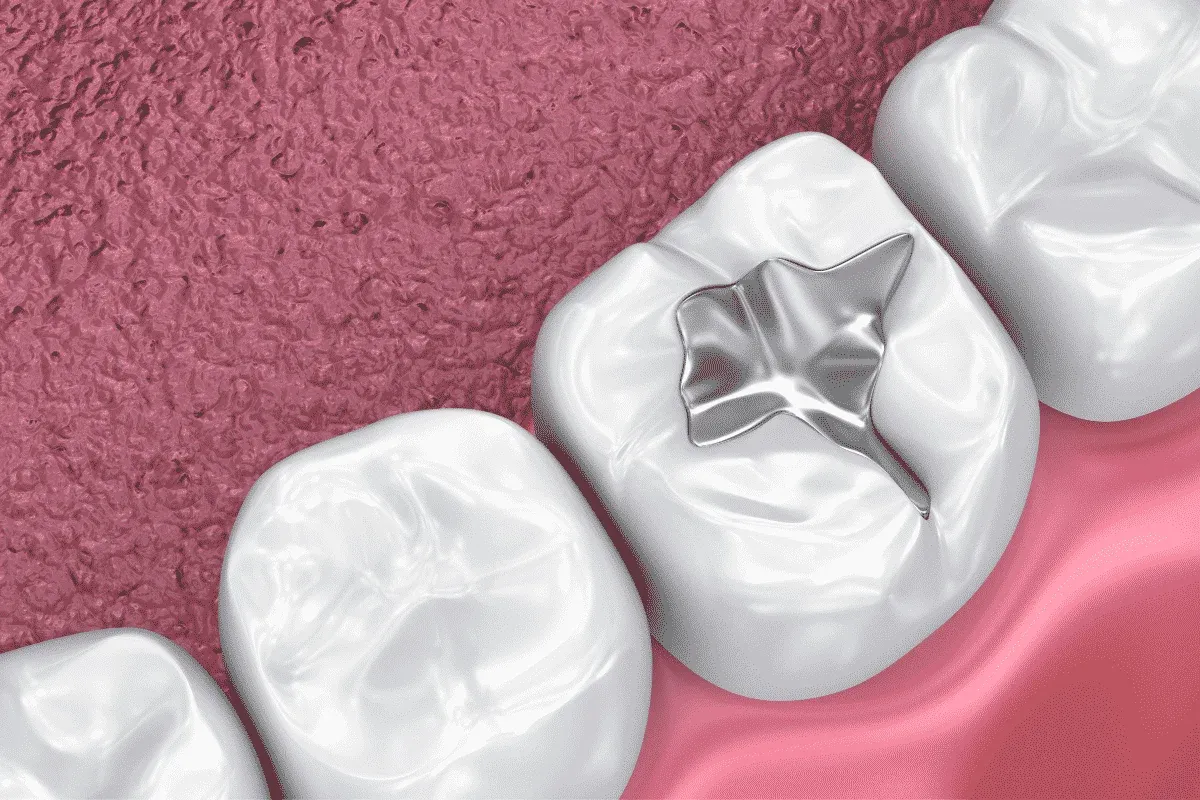
The doctor covers the deep grooves on the chewing surface of the tooth with a special protective material, known as dental sealants, so that bacteria and plaque cannot build up in them.
The procedure is quick and painless, and it needs no drilling.
What fissures are and why they are vulnerable
Fissures are the natural grooves and pits on the chewing surface of the teeth.
Food remains and bacteria collect in them most often, and a toothbrush cannot remove them completely.
Even with good hygiene, these areas stay:
- hard to reach
- prone to cavities
- invisible in the early stages of damage
Sealing creates a protective barrier and lowers the risk of cavities in exactly these places.
When fissure sealing is recommended
Most often the procedure is done for:
- children and teenagers once their permanent teeth have come through
- adults with deep fissures and a higher risk of cavities
The doctor always examines the teeth before the procedure and explains whether it makes sense in your situation.
When sealing is not needed
We do not seal the fissures if:
- there is already a cavity in the fissures
- the tooth needs treatment or a filling
- the fissures are shallow and clean easily
In such cases, the doctor suggests another solution: treatment, or prevention without sealing.
Results of fissure sealing
The sealant closes the most vulnerable areas of the tooth off from bacteria.
There is no need to drill or remove tissue, and the tooth stays intact.
The chewing surface becomes smoother and easier to clean.
There is less risk of fillings, pain and complex treatment in future.
Cost of fissure sealing
The price is fixed. Before the procedure, the doctor examines the tooth and confirms that sealing is really indicated.
Stages of the procedure
The doctor checks the condition of the fissures and makes sure there is no cavity.
The tooth is cleaned of plaque and dried so that the material fixes securely.
A special protective material is applied to the fissures and fills the grooves.
The material hardens, and the doctor checks your bite and that the tooth is ready for chewing.
How long the procedure takes
Sealing one tooth takes 10-15 minutes on average. The procedure is done in one visit and needs no anaesthesia.
Fissure sealing questions
Don't put off your dental health


