Professional Dental Hygiene and Prevention in Chișinău

Dental hygiene and prevention is a set of professional procedures that remove plaque and tartar, keep the enamel and gums healthy and prevent dental disease.
‍Professional dental hygiene complements your daily home care and cleans the areas an ordinary toothbrush cannot reach properly. Regular cleaning at the dentist lowers the risk of tartar, gum inflammation and decay.
During the procedure the doctor assesses your teeth and gums, chooses the best cleaning method and explains what to pay attention to in your case.

Book a consultation

Stages of professional dental hygiene

1

Assessing the teeth and gums

The doctor checks for plaque, tartar and signs of inflammation, to choose the right scope of cleaning.

2

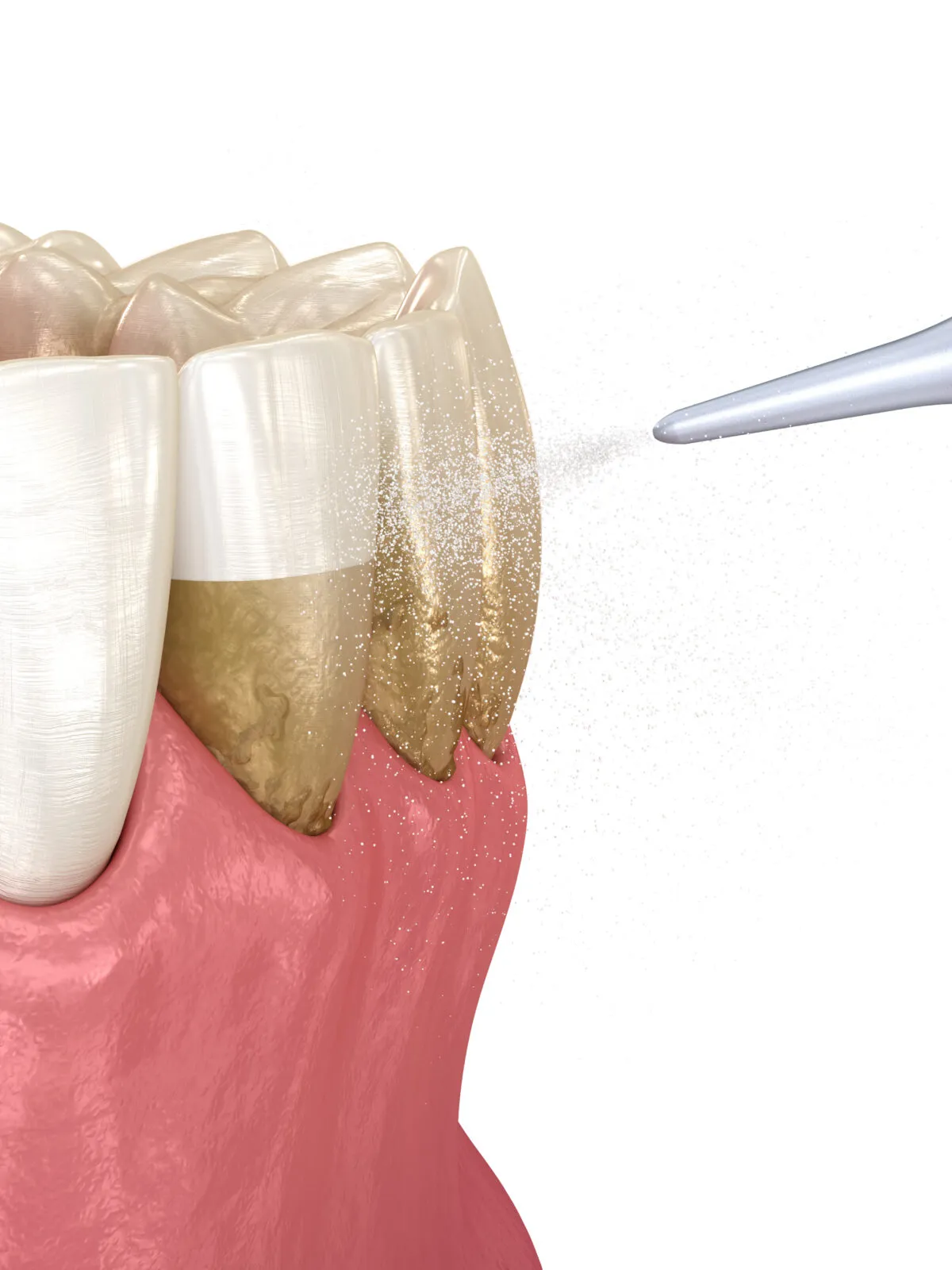
Removing tartar

With ultrasound we remove the hard deposits that home care cannot take off.

3

Removing pigment and plaque

We use AirFlow (air polishing with fine powder and water) or ProphyMate (a similar air-polishing device) to remove the stains left by coffee, tea and smoking.

4

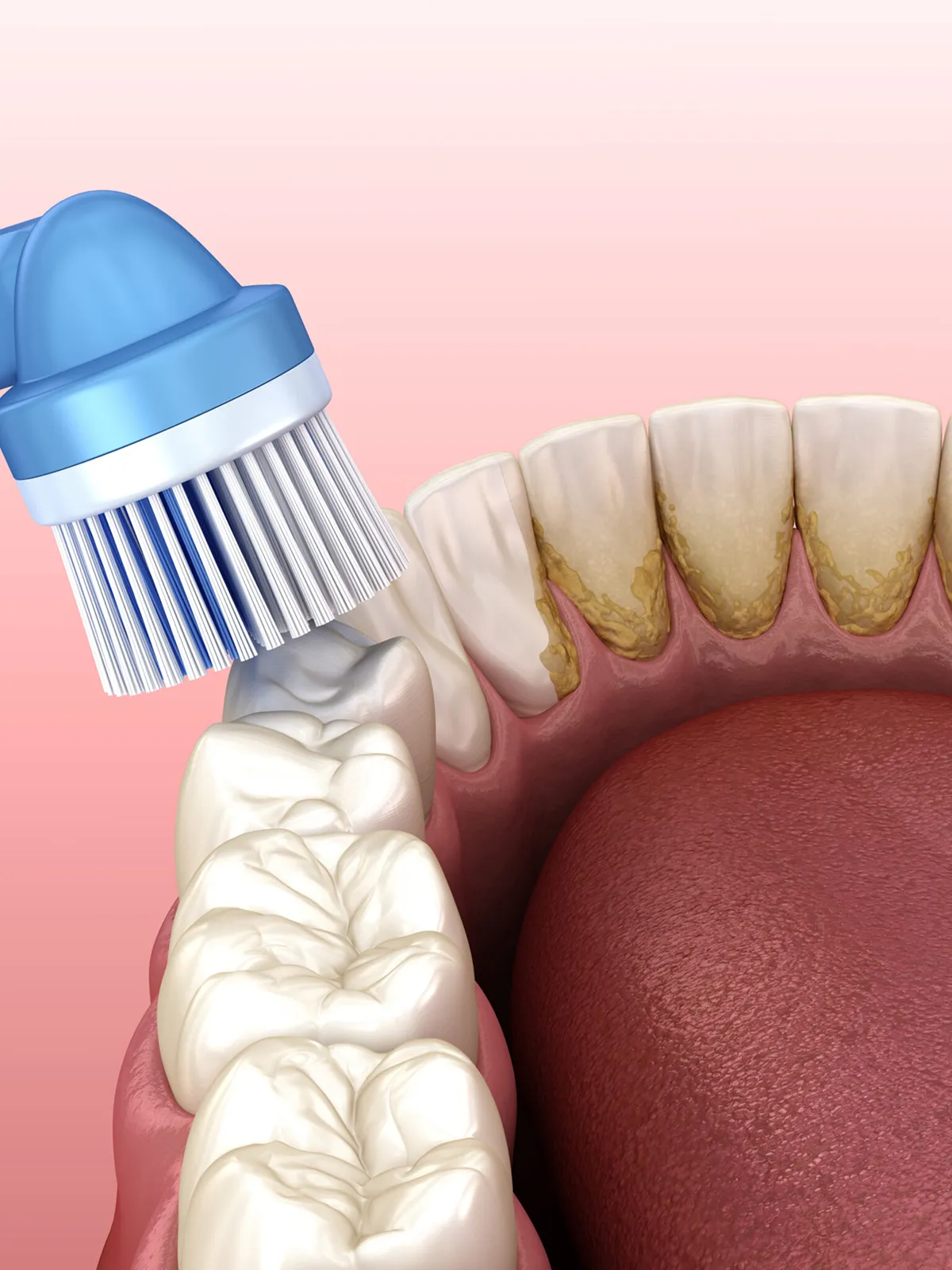
Polishing the teeth

The enamel surface becomes smoother, so plaque builds up more slowly after the procedure.

5

Recommendations after the procedure

The doctor explains how to keep the result and when to repeat the cleaning.

Why you should not postpone professional dental hygiene
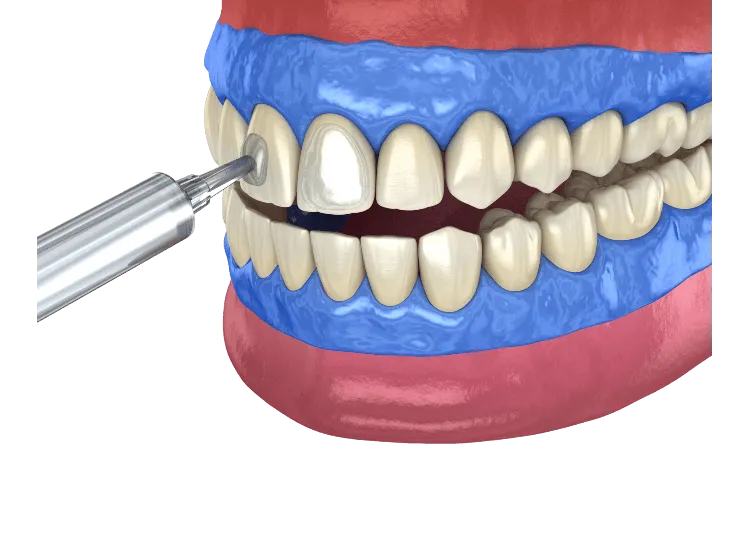
Professional teeth cleaning
  • Plaque and tartar cannot be removed with a toothbrush
    Even with good home care they still build up.
  • The risk of decay and gum inflammation grows
    Problems often start without pain and unnoticed.
  • The enamel weakens
    Plaque darkens the teeth and wears the enamel down.
  • Treatment becomes more extensive
    Prevention is simpler and cheaper than treatment.

Advantages of dental hygiene at Cristi Dent

A cleaning method matched to your teeth and gums

We choose it by the condition of your enamel, deposits and gums, not by a universal scheme.

Control of the gums

During hygiene the doctor checks the gums and notices problems early.

Gentle enamel cleaning

We work carefully, without damaging the enamel or sensitive areas.

An individual approach

The scope and intensity of cleaning depend on your situation.

Prevention of complications

Regular hygiene lowers the risk of decay, gingivitis (gum inflammation) and periodontitis (deeper gum disease).

Recommendations without pressure

The doctor advises on home care and does not push extra procedures.

Doctor who performs professional dental hygiene

Alexandru Borovețchi

General dentist. He carries out professional oral hygiene, teaches home care and helps prevent gum disease, to keep your teeth healthy and protect the result of treatment.

Read about the doctor
Previous doctor
Next doctor
Need a professional cleaning and prevention?
Book a consultation: we will choose the best treatment for you, without pain and without unnecessary procedures.
BOOK A CONSULTATION

Dental hygiene FAQ

How do I know I need a professional cleaning and not just a new toothbrush?

If your teeth turn yellow quickly, plaque appears between the teeth, your gums bleed when you brush or your breath smells unpleasant, a toothbrush will not solve it. Even with regular home care, tartar and dense plaque keep building up.

Does a professional cleaning hurt?

Most people find the procedure comfortable. It can be slightly unpleasant if you have sensitive areas or inflamed gums, but strong pain is not usual. The doctor adjusts the intensity of cleaning to your condition, so as not to hurt your teeth and gums.

How often should I have a professional cleaning?

On average, once every 6 months. If you smoke, drink a lot of coffee or have gum problems, you may need it more often. The doctor will name the exact interval after the examination, because plaque forms at a different speed for everyone.

Can I have a cleaning if my gums bleed?

Yes, and in such cases it is usually exactly what is needed. Plaque and tartar keep the inflammation going, so without cleaning the gums do not heal. The doctor works carefully and explains how to look after your gums after the procedure.

Does frequent cleaning damage the enamel?

No, if the cleaning is done correctly. On the contrary, it removes the plaque that harms the enamel. After polishing the teeth are smoother, and new plaque builds up more slowly.

Can I eat and drink straight after cleaning?

Yes, but for a few hours it is better to avoid strongly staining foods and drinks: coffee, red wine, bright sauces. If the doctor applies protective products to the enamel, they will tell you separately when it is best to eat.

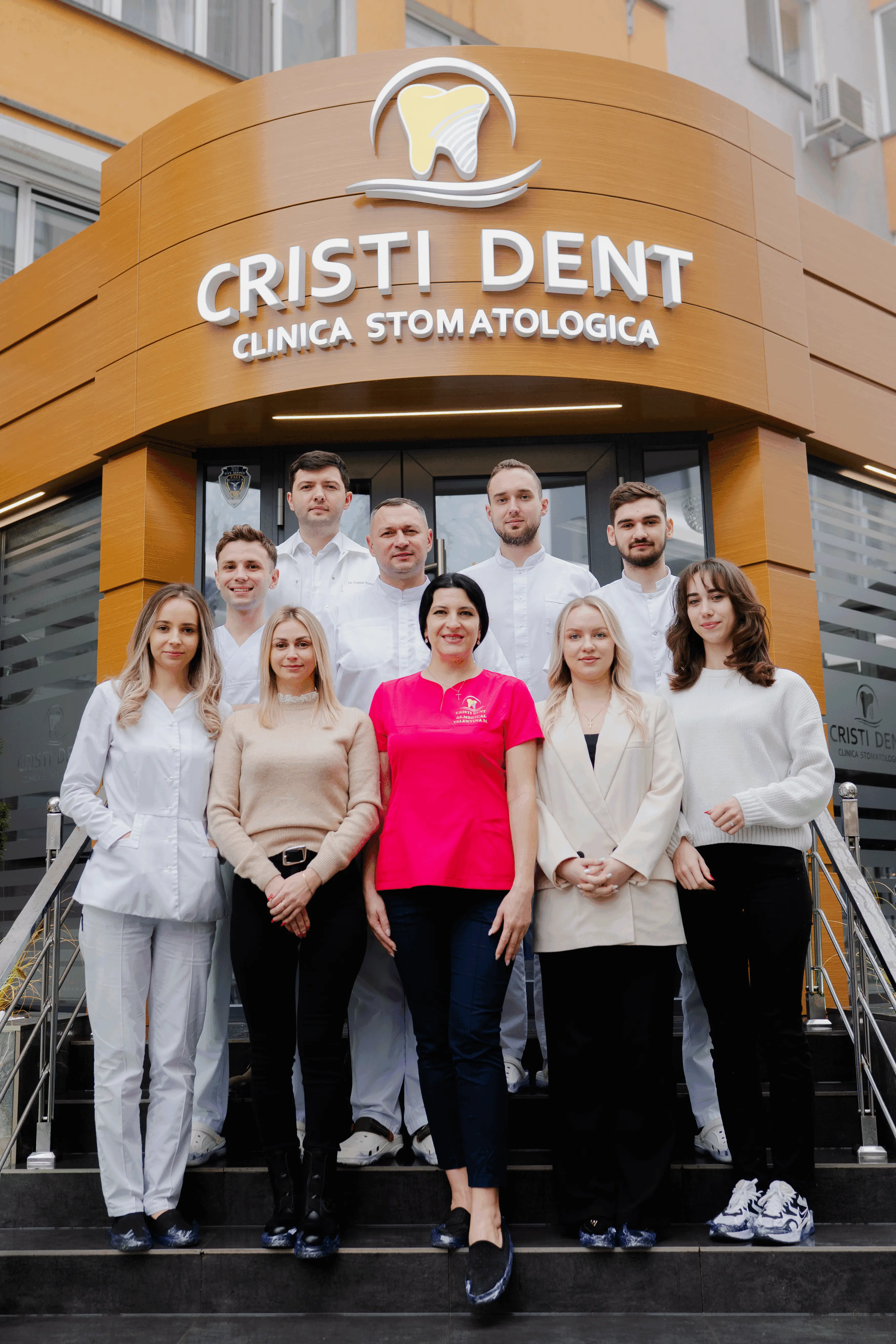
The Cristi Dent team at the clinic entrance in Chișinău
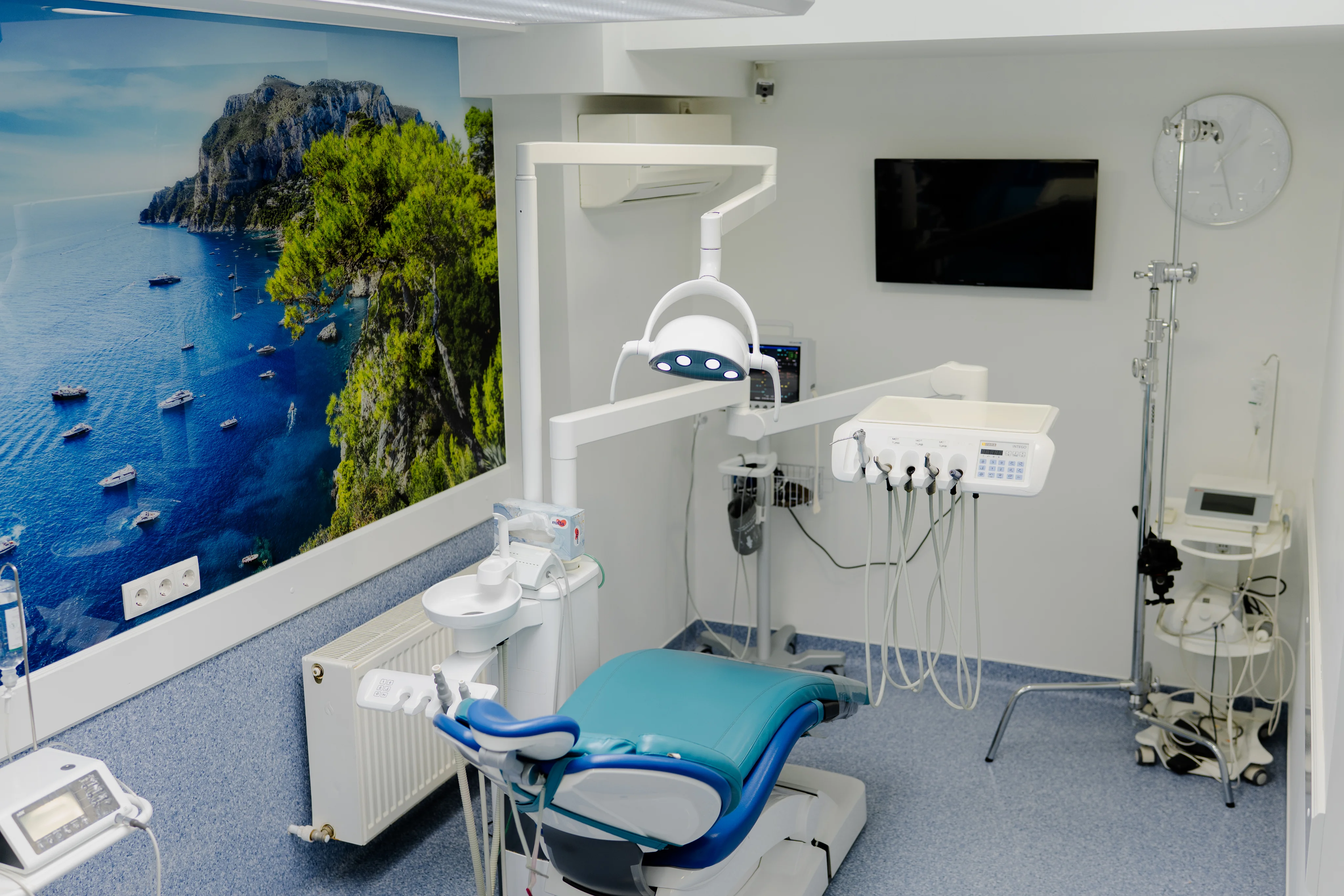
Treatment room at Cristi Dent dental clinic
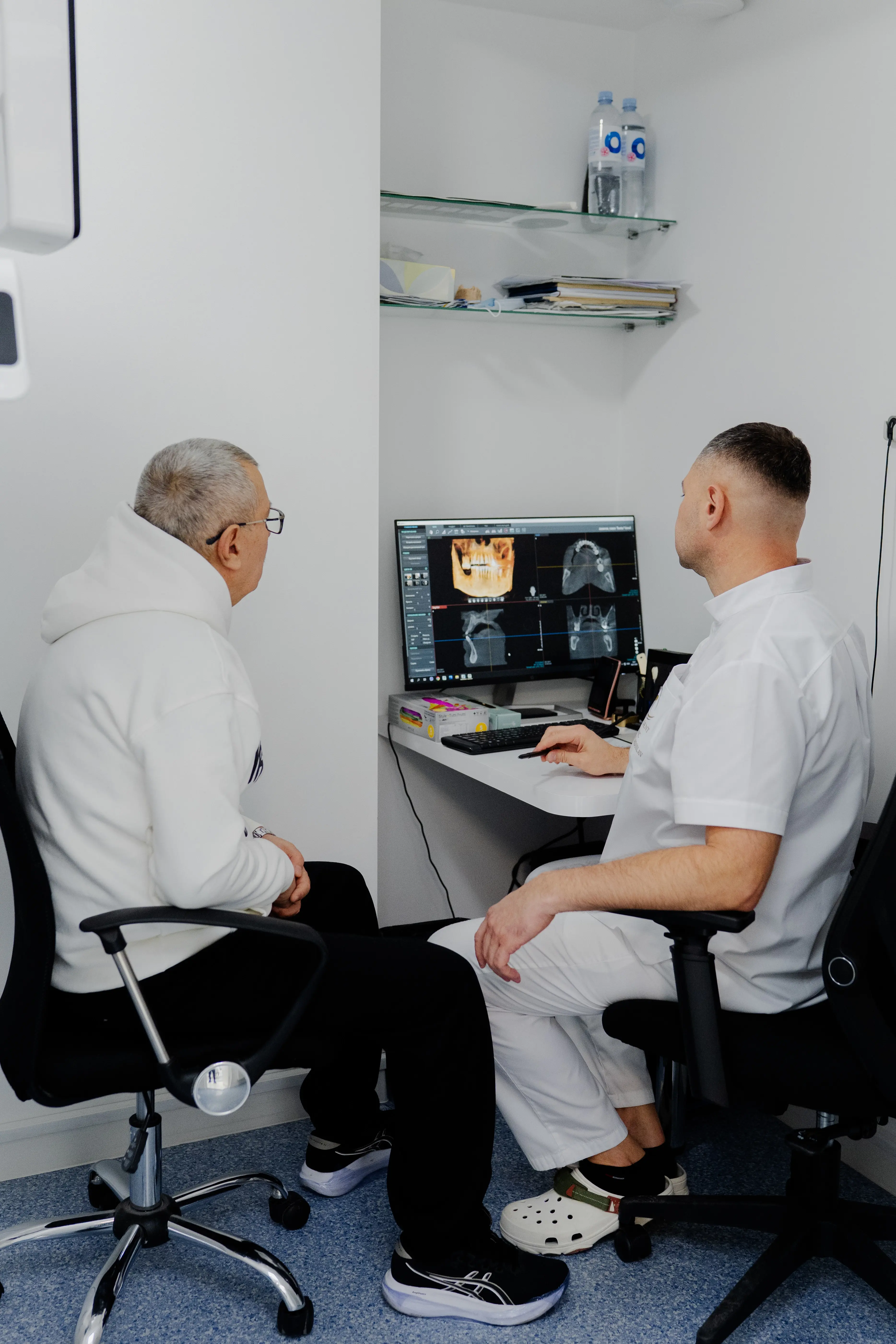
A Cristi Dent doctor goes through a CBCT scan with a patient before treatment
Cristi Dent reception desk with an administrator and New Year decorations
Book an appointment
Thank you! We have received your request.
Sorry, the form was not sent. Please try again or call us.