Bruxism Treatment with a Therapeutic Splint in Chișinău
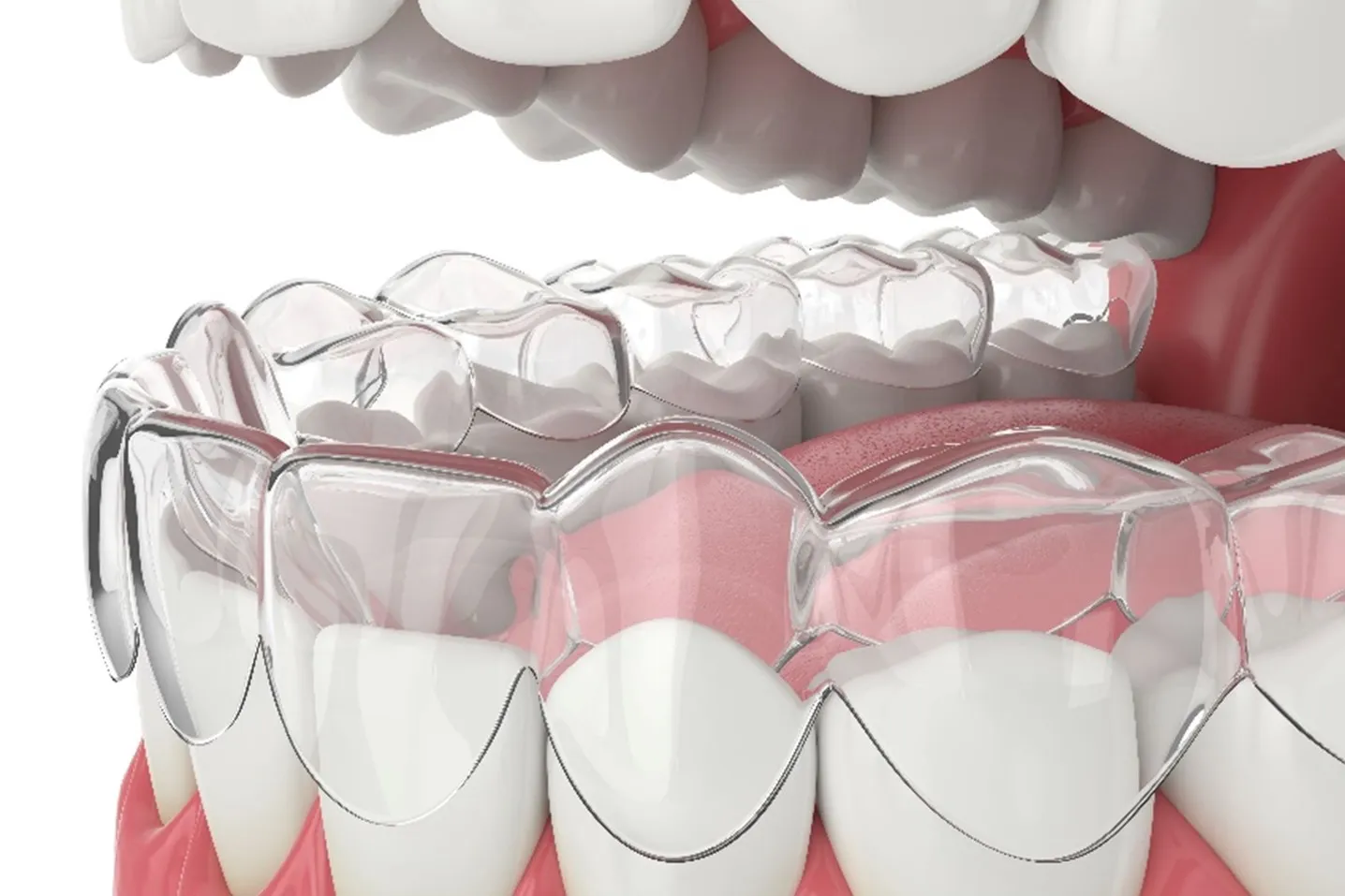
A therapeutic splint is an individual appliance used to treat bruxism (clenching and grinding of the teeth), overloaded chewing muscles and jaw joints, and in the complex treatment of some bite problems.
It redistributes the load between the teeth, protects them from wear and creates more stable conditions for the chewing muscles and the temporomandibular joints (TMJ).
We make it individually after diagnosis. A therapeutic or orthodontic splint is prescribed for a specific task: different types are used to protect the teeth, stabilise the position of the jaw or as part of orthodontic treatment.
What is a therapeutic splint
A therapeutic splint is a custom-made cover for the teeth, and its parameters are chosen according to your bite and the aim of treatment. Unlike standard protective guards, a therapeutic appliance is prescribed by a doctor after diagnosis. This splint:
- distributes the load between the teeth
- relieves spasm and overstrain of the chewing muscles
- protects the teeth from wear
- stabilises the work of the jaw joints
The splint is made for your jaw specifically, taking into account your bite, the position of your teeth and how your muscles work.
When you may need bruxism treatment with a splint
Results of bruxism treatment with a therapeutic splint
The muscles stop working in a state of constant spasm, and the feeling of tightness goes.
This can be pain in the jaw, near the ear, in the temples, or regular headaches.
The splint takes the load, protecting the enamel, fillings and crowns.
Clicking, crunching and limits when opening the mouth lessen.
Once the muscles and joints are stable, orthodontics, prosthetics or implants can be planned safely.
How a dental splint is made
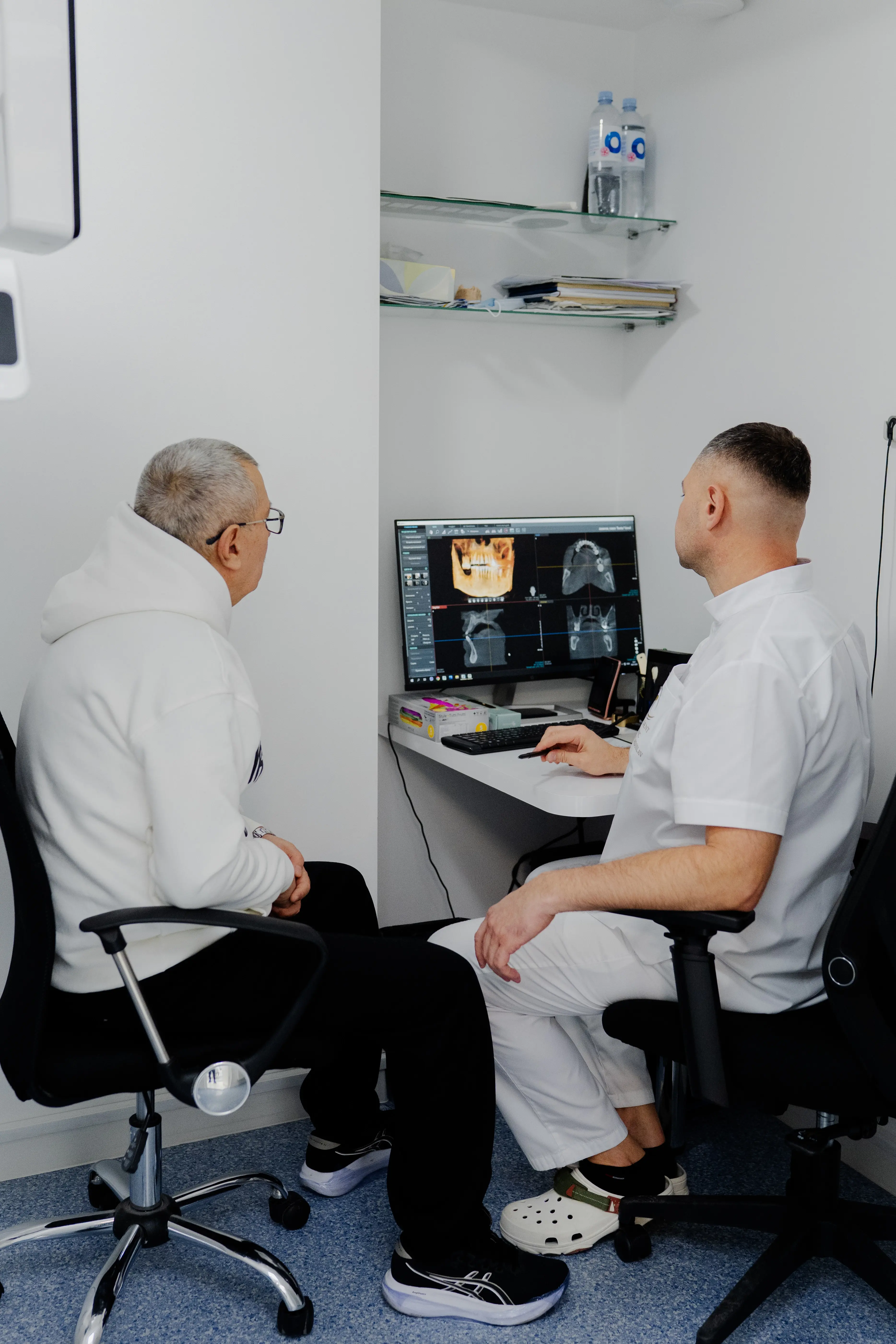
The doctor assesses your bite, the work of the joints and the condition of the chewing muscles.
This is needed to understand exactly where the overload comes from.
The exact position of the teeth and jaw is recorded.
Without this, a splint cannot be therapeutic.
The shape, thickness and tooth contacts are calculated individually, not from a template.
The splint is made of a medical material that does not injure the teeth, does not irritate the mucosa and is suitable for long-term wear.
The doctor checks the fit, the contacts and the comfort.
If necessary, the splint is adjusted.
How to use a therapeutic splint
How long bruxism treatment lasts
The length depends on the cause of the problem:
- for bruxism, from several months
- for TMJ disorders, longer, with follow-up adjustments
- in complex cases, the splint is used as long-term support
The doctor gives exact timing after diagnosis, not in advance.
What happens if you skip bruxism treatment
Bruxism treatment questions
Don't put off your dental health